
Sustainability at Scale: What Mercedes-Benz Stadium Teaches Us About Environmental Stewardship
At Camp Wren, we believe sustainability is not a trend — it’s a systems-level commitment. While we often focus on balconies, backyards, and small-space growing, there is immense value in studying how large-scale institutions operationalize environmental responsibility.
One of the most powerful examples in our own backyard is Mercedes-Benz Stadium in Atlanta, Georgia.
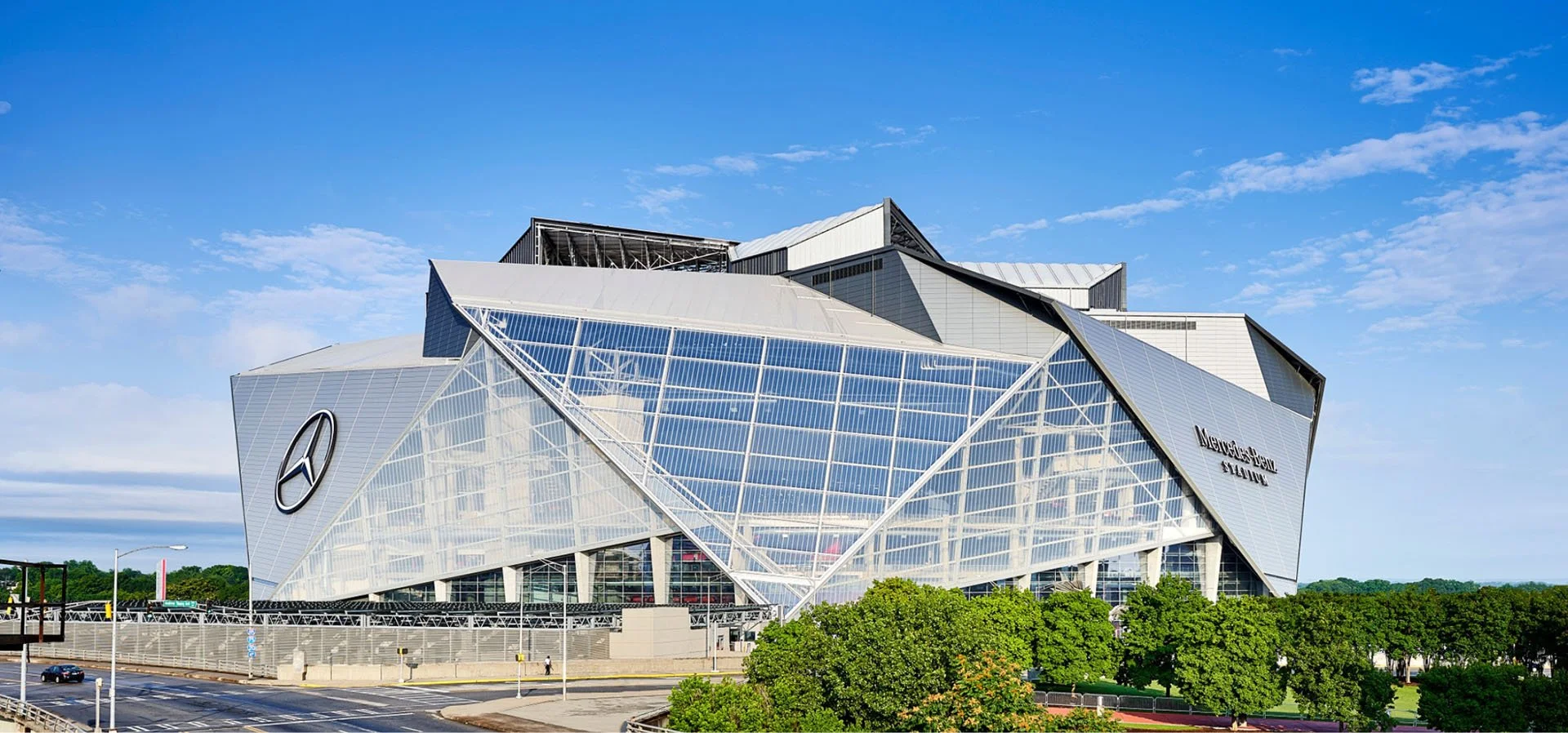
photo courtesy of www.mercedesbenzstadium.com
The Mercedes-Benz Stadium isn’t just a sports and entertainment venue. It’s a living case study in regenerative infrastructure, circular resource management, and cultural accountability.
Let’s break down what makes it exceptional — and what we can learn from it.
Water Stewardship: Designing for Conservation
Mercedes-Benz Stadium captures rainwater and diverts it into a cistern system. That harvested rainwater is then redistributed through the stadium’s irrigation system, significantly reducing reliance on municipal water.
The result? A 47% reduction in potable water use compared to baseline standards.
This is what intentional infrastructure looks like — designing buildings to work with natural systems rather than against them.
LEED Platinum Certification — What Does That Mean?
The stadium is LEED Platinum certified, the highest level awarded by the U.S. Green Building Council’s Leadership in Energy and Environmental Design (LEED) program.
LEED Platinum status signifies:
Exceptional energy efficiency
Water conservation excellence
Sustainable material sourcing
Indoor environmental quality
Waste reduction and diversion strategies
Innovation in environmental design
Platinum is not symbolic. It requires rigorous documentation, performance verification, and a comprehensive sustainability scorecard checklist.
Mercedes-Benz Stadium is one of the few professional sports stadiums in the world to achieve this level.
Renewable Energy Integration
The stadium is equipped with 4,000 solar photovoltaic (PV) panels.
These panels:
Generate renewable energy onsite
Reduce greenhouse gas emissions
Contribute renewable power back to the Georgia Power electrical grid
Additionally, the building incorporates ETFE (ethylene tetrafluoroethylene) panels along the top perimeter of the stadium to allow natural daylight into the facility. This reduces the need for artificial lighting during daytime events, lowering energy demand.
Energy-efficient escalators further reinforce this strategy. When not in use, they automatically slow down to conserve energy. Motion sensors detect approaching fans and increase speed only when needed.
This is responsive design — energy use aligned with real-time demand.
Zero Waste by Design (Not by Slogan)
The stadium’s culture is centered on environmental stewardship. That commitment shows up operationally:
Zero waste stations and awareness signage are strategically placed throughout concourses.
Fan-facing trash and compost bins are clearly labeled.
Back-of-house concessions are closely monitored.
Food containers and wrappers are compostable.
Non-compostable items are post-sorted to maximize diversion.
A 6,000-square-foot resource recovery and compost compactor facility processes waste onsite.
Recycle bins are audited regularly.
Annual sustainability reports track efficiency metrics.
The goal is intentional: divert 90% of all waste from landfill.
That is not accidental — it requires system design, staff training, and continuous auditing.
Circular Economy in Action
The stadium integrates circular principles beyond recycling:
The rooftop urban garden and beehive support biodiversity and employee engagement.
When turf is replaced, it isn’t discarded. It’s donated or melted down and repurposed into products such as benches used in employee spaces.
Unused food is donated through a partnership with Second Helpings Atlanta, providing meals directly to the Westside Atlanta community.
Waste becomes input. Excess becomes resource.
Culture as Infrastructure
Perhaps the most powerful lesson is this:
Mercedes-Benz Stadium actively seeks partnerships that align with its environmental values. Sustainability is not isolated to facilities management — it is embedded into vendor relationships, food systems, waste streams, and community engagement.
That culture matters.
Mercedes-Benz Stadium demonstrates that environmental stewardship is achievable even in high-density, high-traffic environments. If a stadium serving tens of thousands can commit to zero waste and renewable energy integration, our homes, communities, and businesses can too.
